
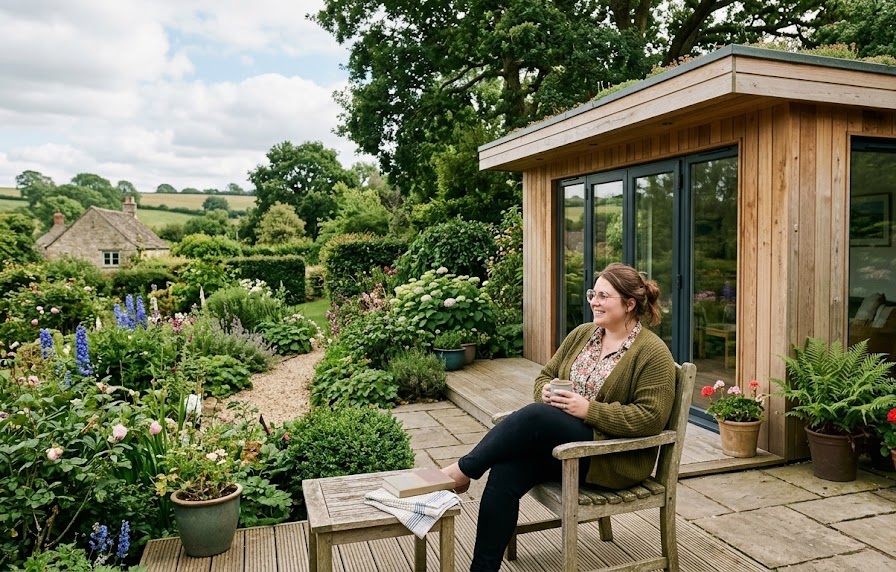
British homeowners have always taken pride in their neat lawns, colorful flowerbeds, and classic patios. However, how people use their outdoor spaces is changing. Many in the UK are now turning their gardens into usable extensions of their homes.
According to Primethorpe Paving, the market for outdoor buildings in the UK is expected to hit £742.2 million by 2027. This is because more homeowners want more usable outdoor space. Garden rooms, offices, and multi-purpose buildings are just a small part of a wider outdoor living trend.
Stylish wooden garden buildings are becoming increasingly popular, replacing cheap, flimsy sheds. These new structures are designed to last and can meet a variety of needs, making them a great addition to any modern British garden.
At Various Stuff, we offer practical insights on lifestyle, home improvement, health, and modern living through our blogs.
The Garden Shed Has Evolved
People today want more out of their backyards. Those working from home need a quiet place to focus, away from distractions. Parents might want a space for their hobbies. People who like to exercise could use a home gym.
Wooden structures are appealing for more than just their usefulness. A good wooden building can enhance a garden. The natural wood patterns, warm colours, and simple shapes make it look as if it were carefully designed, not just thrown together.
Imagine doing yoga in a peaceful wooden room while listening to birds sing; that’s much better than a busy gym. The right outdoor building doesn’t just give you more space; it can change how you live.
If you want to see what a garden office conversion looks like, explore this visual guide. It shows a full conversion and shares planning and design tips.
Timber and the British Climate
Wood isn’t just a material you have to settle for. If a wooden structure is built properly, it holds up well outdoors even in extreme weather. According to Elfords (elfords.co.uk), expert crafters of timber buildings, timber structures built with heavy duty framing, ideally around 75mm by 50mm, provide the necessary stability against high winds.
A strong wooden frame spreads weight evenly, fights sideways forces, and keeps the building square for many years. Poorly-made sheds with thin frames will bend, twist, and break down. But a well-built wooden garden building won’t.
If you take care of a good wooden building by applying a quality outdoor stain every few years, it will still look great after 20 years. This lasting quality is important when you think about how much value you’re getting over time.
A Financial Decision Worth Making
Adding a wooden building to your garden can be a smart financial move. Real estate agents notice these structures. A House & Garden report found that a well-built garden room can increase a home’s value by 5% to 15%, usually making back the installation cost. For a house worth £300,000, a 5% increase amounts to £15,000.
These structures boost property value and cut costs by removing the need for separate office spaces. Modern wood insulation keeps heating and cooling costs low year-round, making it an energy-efficient choice. As time goes by, savings on travel, office rent, and utilities can quickly pay for the building.
Bespoke Builds Beat Off-the-Shelf Options
How a garden building is made really matters, especially since you’ll be using it all the time. Custom-built wooden garden structures are made just for you. They are built to fit your space well, using materials chosen specifically for the project. You can immediately feel the difference between a custom-built garden room and one that comes in a box.
Stronger frames make the space feel more solid and silent. Well-fitted windows and doors block drafts. Insulated walls keep temperatures comfortable year-round. These features make a big difference in a building you use now and then, and one you can use every day.
If you’re trying to decide which garden office to get, this comprehensive guide explains the main differences between standard, modular, and bespoke designs.
Frequently asked questions
Can You Use Wood in Gardens Near the Coast?
Homes by the sea have to deal with salty air, rougher winds, and more moisture. Cedar and larch are naturally good at handling dampness. Wood from soft trees that’s been treated and has a good exterior finish also holds up well in most seaside spots. Picking the best type of wood is really important.
Does a Timber Garden Building Require a Level Base?
A firm and flat base is important. It prevents the building’s frame from moving, ensures doors and windows operate smoothly, and shields the floor from dampness. Options like concrete bases, wooden deck frames, or screw piles are good alternatives. A reliable company can help you choose the best one.
Do I Need Planning Permission for a Timber Garden Building?
In most cases, garden buildings are considered permitted development and do not require formal planning permission, provided they meet certain size and location criteria. However, rules can vary depending on your local council, whether you live in a conservation area, or if the building is intended for sleeping accommodation. It is always best to check with your local planning authority or consult your builder before starting construction to ensure you comply with local regulations.
Conclusion
Timber garden buildings are a top choice for UK homeowners looking to improve their homes. They provide adaptable living areas, increase property value, and are built to last. A well-chosen wooden structure can transform your garden into a valuable asset, perfect for a home office, art studio, or a relaxing space.
